
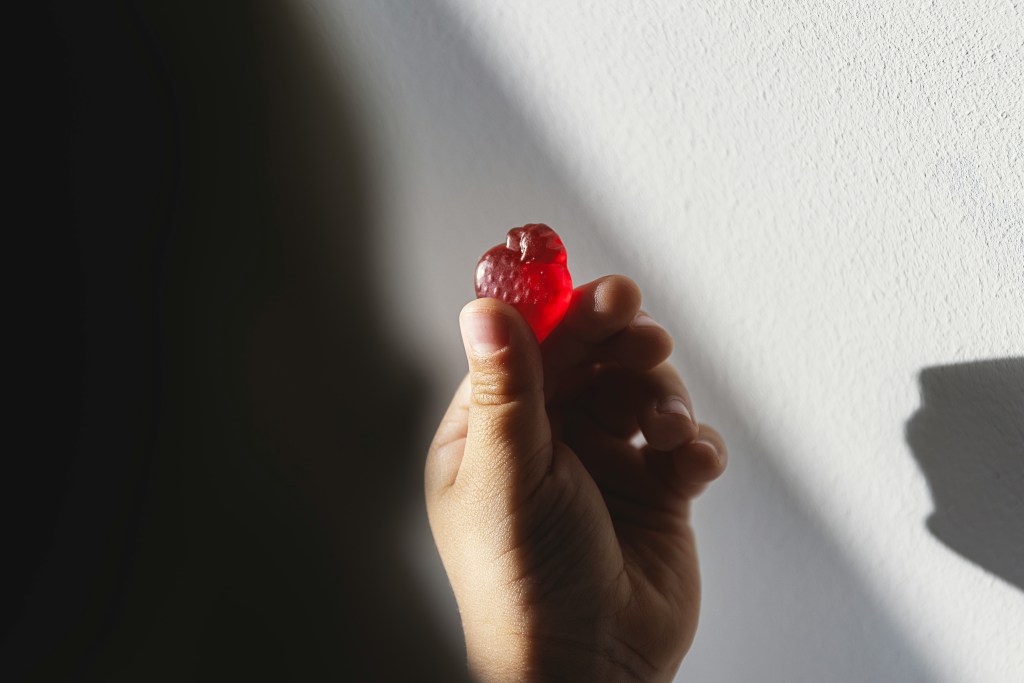
If you’ve ever stood in the supplements aisle of your local health food store, staring at seventeen different brands of fish oil while your ADHD child melts down in the trolley – hi, I see you. I’ve been you. And I need to tell you something that might save you a whole lot of money and frustration.
There is no single “best supplement for ADHD.”
I know. Not the magic answer you were hoping for. But here’s the thing, and this is where most blogs, TikToks, and well-meaning Facebook groups get it spectacularly wrong, the best supplements for managing ADHD symptoms in your child depend on three things that are completely unique to them:
What type of ADHD they have. Inattentive-type ADHD has different neurochemical drivers than hyperactive-impulsive or combined-type. A supplement that shines for focus might do very little for impulse control, and vice versa.
What their sleep looks like. Sleep is the great disruptor. If your child isn’t sleeping well, that alone can amplify every ADHD symptom tenfold. Some supplements specifically address the sleep-ADHD crossover, while others can actually make sleep worse (particularly if they’re taken at the wrong time of day!).
What gaps actually exist in their diet. And this is the big one. Supplementing a nutrient your child already has enough of is just creating expensive wee. I say this with love, but also with clinical experience: a zinc supplement won’t do a thing if their zinc levels are perfectly fine. We need to know what’s actually missing before we start filling in gaps.
This is exactly why “just take omega-3” is incomplete advice. It might be the right advice for some kids, but it’s not a universal fix for a condition that isn’t universal in its presentation.
So instead of giving you a shopping list, I want to give you something far more useful. An understanding of what each supplement does, who it’s actually for, and what the research says. Because when you understand the why, you’re in a much stronger position to work with your child’s practitioner and make decisions that actually move the needle.
Let’s get into it.
What’s Happening in the ADHD Brain
(The Elevator Pitch)
Before we talk supplements, it helps to understand what we’re actually trying to support.
ADHD is fundamentally a neurodevelopmental condition involving differences in how the brain produces, uses, and recycles key neurotransmitters, primarily dopamine and noradrenaline. These neurotransmitters are essential for attention, motivation, impulse control, and executive function.
Your child’s brain needs specific raw materials (the ingredients) to make these neurotransmitters. Iron, zinc, magnesium, B vitamins, amino acids from protein, and omega-3 fatty acids aren’t just “nice to have.” They’re the building blocks of brain chemistry.
When a child is deficient in any of these, it’s like trying to bake a cake with half the ingredients missing. The equipment is there. The recipe is there. But the output isn’t going to be what we want.
This is why nutritional assessment isn’t a nice add-on. It’s foundational.
Feeling the overwhelm?
Download the cheatsheet that turns all of this into a
simple, step-by-step tool.
The Supplements and What the Research Actually Says
Magnesium, The Unsung Hero
If I had to pick one mineral that comes up again and again in my clinical practice with ADHD kids, it’s magnesium. And we do have decent observational evidence to support the connection.
Two separate meta-analyses have confirmed that children with ADHD tend to have significantly lower magnesium levels in both blood and hair samples, compared to healthy controls (Effatpanah et al., 2019;Huang et al., 2019). Magnesium deficiency has been observed in up to 65% of children with ADHD.
An important distinction is that these are observational studies showing an association. It’s possible that ADHD-related behaviours (like restricted eating) contribute to lower magnesium, rather than the other way around. However, what we do know is that magnesium is critical for nervous system regulation, sleep quality, muscle relaxation, and neurotransmitter production. When it’s low, regardless of why, you might see increased anxiety, restlessness, difficulty settling at night, and heightened sensory sensitivity. All of which look an awful lot like ADHD symptoms getting worse.
On the intervention side, we have one well-designed randomised controlled trial that combined vitamin D and magnesium supplementation in children with ADHD and showed significant improvements in conduct problems, social difficulties, and anxiety scores compared to placebo (Hemamy et al., 2020). The limitation? Because vitamin D and magnesium were given together, we can’t cleanly separate which nutrient drove the improvement.
Best for: Kids with confirmed low magnesium who also have sleep difficulties, anxiety alongside ADHD, sensory sensitivities, restless legs, or constipation (yes, the gut connection again).
Clinical note: Not all magnesium is created equal. Magnesium glycinate or bisglycinate tends to be the best tolerated and most effective for nervous system support. Magnesium citrate, which is what you’ll find in most supermarket supplements, is poorly absorbed and mostly acts as a laxative. You get what you pay for with this one.
Iron, The Strict One
Iron is a critical cofactor in dopamine synthesis. Let me say that again for the parents in the back: iron helps your child’s brain make dopamine. In a condition where dopamine signalling is fundamentally disrupted, this matters enormously, and the biological mechanism here is well-established, not theoretical.
A systematic review and meta-analysis of 17 studies found that serum ferritin levels were significantly lower in children with ADHD, and that iron deficiency was associated with greater ADHD symptom severity (Tseng et al., 2018). A further meta-analysis confirmed that lower ferritin, the storage form of iron, was consistently linked to ADHD, even when children weren’t technically anaemic (Wang et al., 2017).
The intervention evidence here is more limited than you might expect. A scoping review identified only two RCTs of iron supplementation in children with ADHD, both showed improvements in at least some symptom measures when children had confirmed low ferritin to begin with (McWilliams et al., 2022). That’s not a huge evidence base, but the results are consistent: when ferritin is genuinely low, supplementing makes a measurable difference. When ferritin is already adequate, supplementation doesn’t appear to help, which reinforces the “test first” message.
A child can have “normal” haemoglobin levels (so their GP says they’re fine) but have depleted ferritin stores. And that depleted ferritin is enough to affect dopamine production, worsen inattention, and contribute to restless sleep. I always recommend checking ferritin specifically, not just a standard full blood count.
For children who won’t tolerate a blood test, we can get an idea of iron intake from a dietary analysis or a hair tissue analysis, but a blood test is the gold standard.
Best for: Children with confirmed low ferritin, restless legs at night, fatigue, poor concentration that doesn’t respond to other interventions, and kids on restricted diets with limited red meat intake.
Critical note: Iron is one supplement you should NEVER just throw at your child without checking in with a clinical nutritionist or testing first. Too much iron is harmful, it’s pro-oxidant and can cause gut issues and toxicity. As with magnesium, there are different forms of iron and some are tolerated and absorbed better than others.
Zinc, The Quiet Achiever
Zinc plays a fascinating role in ADHD because it’s involved in melatonin production (hello, sleep), dopamine modulation, and fatty acid metabolism. It essentially helps your child’s brain use its neurotransmitters more efficiently.
A meta-analysis of six randomised clinical trials found that zinc supplementation had a significant positive effect on total ADHD symptom scores in children (Talebi et al., 2021). That’s actual intervention data, not just observational “levels are lower” data, which puts zinc in a slightly stronger evidence position than some other minerals on this list. That said, the effect didn’t clearly show up in the subgroup analyses for hyperactivity or inattention individually, suggesting the benefit may be modest and broad rather than dramatic for any single symptom domain.
The observational picture is mixed. A systematic review found that circulating zinc levels tend to be lower in children with ADHD, though results were inconsistent across studies (Salehi et al., 2021). This inconsistency is worth being honest about, it may reflect differences in populations studied, dietary patterns across countries, or how zinc was measured.
In my clinical experience, zinc deficiency often goes hand-in-hand with restrictive eating, which, as we know, is incredibly common in ADHD and ASD children. It’s a bit of a chicken-and-egg situation: low zinc impacts appetite, smell and taste, which leads to more restricted eating, which leads to lower zinc intake. Breaking that cycle requires strategic supplementation alongside feeding support.
Best for: Children with confirmed low zinc, children with restricted dietary variety, kids who get frequent colds, those with poor wound healing, and children already on stimulant medication (which can affect zinc metabolism).
Clinical note: Like iron, zinc is a nutrient where the form matters and more isn’t better. Zinc picolinate and zinc bisglycinate are the best-absorbed forms. Zinc competes with copper for absorption, so long-term supplementation without monitoring can drive copper levels down, which creates its own set of problems (think fatigue, immune issues, even neurological symptoms). Always supplement under practitioner guidance, and consider checking both zinc and copper. Also worth knowing: zinc is best absorbed away from high-fibre meals and dairy, so timing matters.
Omega-3s, The Slow and Steady Runner
Omega-3s are probably the most researched supplement for ADHD, and they have the largest body of trial evidence, which is both their strength and the reason we can be most precise about what they actually do (and don’t do).
The brain is roughly 60% fat by dry weight, with DHA making up a significant portion of neuronal membranes. Children with ADHD consistently show lower blood levels of omega-3 fatty acids compared to their neurotypical peers (Hawkey & Nigg, 2014). That’s robust observational evidence from multiple studies, though again, it’s worth noting that lower levels could partly reflect dietary patterns common in ADHD rather than being a direct cause of symptoms.
On the intervention side, a meta-analysis of seven RCTs involving 534 children and adolescents with ADHD found that omega-3 supplementation improved ADHD symptom scores with an effect size of g=0.38 (Chang et al., 2018). To put that in real-world terms: that’s a small-to-moderate effect. It’s statistically reliable, but it’s not going to look like a night-and-day transformation at home.
A more recent meta-analysis was even more cautious, noting that overall, omega-3 supplementation didn’t significantly improve core ADHD symptoms, though longer-term use (more than four months) showed more promise (Liang et al., 2023). The benefits appear most pronounced with higher doses of EPA specifically.
The takeaway? Omega-3s are a slow burn, not a quick fix. They’re supporting brain structure and reducing neuroinflammation, which is important foundational work, but it’s not going to transform your child’s behaviour in two weeks. And if your child is already eating oily fish two to three times a week, the additional benefit of supplementation may be minimal.
Best for: Children with low omega-3 intake (not eating oily fish regularly), kids with co-occurring mood difficulties, and children with dry skin or eczema. Most likely to help as part of a broader nutritional strategy rather than as a standalone intervention.
Clinical note: Look for a supplement with a higher EPA-to-DHA ratio for ADHD support specifically. Liquid forms are often better tolerated than capsules for younger kids. And yes, quality matters, a cheap fish oil that’s been sitting on a hot warehouse shelf is oxidised, rancid, and potentially doing more harm than good.
Saffron, The New Kid With Potential
This one might surprise you, and it’s generating genuine interest in ADHD research circles, though I want to be upfront that we’re still in the early chapters of this story.
A randomised, double-blind pilot study compared saffron capsules to methylphenidate (Ritalin) in 54 children aged 6–17 with ADHD and found no significant difference in effectiveness between the two (Baziar et al., 2019). That sounds exciting, and it is, but let’s be precise about what it means. This was a small study with no placebo, meaning we can’t know how much of the improvement in either group was simply due to the passage of time, the placebo effect, or the attention of being in a study. It tells us saffron is worth paying attention to, but it doesn’t give us proof that it works as well as medication. Not yet.
A systematic review pooled the available clinical trials and found that saffron showed benefit both as a standalone intervention and as an adjunct to methylphenidate (Ritalin), with an acceptable safety profile, but across all included studies, we’re looking at a total of just 118 patients (Seyedi-Sahebari et al., 2024). For context, the omega-3 meta-analyses draw on over a thousand participants. So the direction of the evidence is encouraging, but the volume is thin.
One non-randomised clinical trial comparing saffron to methylphenidate (Ritalin) reported that saffron appeared more effective for hyperactivity symptoms, while methylphenidate (Ritalin) was stronger for inattention (Blasco-Fontecilla et al., 2022). Another trial found that adding saffron to methylphenidate appeared to shorten the time to see therapeutic effects (Khaksarian et al., 2021). The sleep angle is also interesting as saffron has demonstrated benefits for sleep quality in broader research, which is clinically relevant because sleep disturbance and ADHD are so deeply intertwined.
Best for: Families exploring adjuncts to medication, particularly when sleep or hyperactivity are prominent features. Worth discussing with your paediatric clinical nutritionist if your child experiences significant side effects from stimulants.
Honest assessment: The biological rationale is sound (saffron has anti-inflammatory and neuroprotective properties), but the clinical trial evidence is still early-stage. This isn’t a “stop your medication and switch to saffron” situation. It’s a “this is worth watching and worth discussing” situation. I expect we’ll know a lot more in the next few years as larger trials are completed.
Sulforaphane, The Broccoli Brainiac
Sulforaphane, the bioactive compound found in broccoli sprouts and cruciferous vegetables, is generating buzz in the ADHD space, and a brand new 2025 randomised controlled trial is one of the reasons why.
This double-blind, placebo-controlled study examined sulforaphane as an adjunct to methylphenidate (Ritalin) in children with ADHD and found improvements in symptom scores (Ghannadi et al., 2025). This is essentially the first well-designed randomised controlled trial (the gold standard of research) specifically looking at sulforaphane for ADHD. One trial, even a well-designed one, is a starting point, not a conclusion. But the mechanism is compelling enough to pay attention.
Sulforaphane is one of the most potent activators of the Nrf2 pathway, the body’s master antioxidant switch. It increases the production of glutathione and other protective enzymes, reduces oxidative stress, and has anti-inflammatory properties in the brain. Given that neuroinflammation and oxidative stress are increasingly implicated in ADHD, this mechanism makes biological sense. The question is whether that translates to meaningful clinical improvement for kids, and we’re only just beginning to answer that.
Best for: Children where neuroinflammation or oxidative stress may be contributing factors, think kids with co-occurring gut issues, food sensitivities, allergies, or eczema alongside their ADHD. This is one I’d frame as a clinically rational addition to a broader protocol rather than a standalone intervention.
Honest assessment: The biological rationale is strong, but we have exactly one ADHD-specific RCT. I’m genuinely interested in where this research goes, and I think it’s reasonable to consider, but I’d pair it with supplements that have a deeper evidence base rather than leaning on it alone.
Practical note: Getting therapeutic doses from diet alone is tough (you’d need to eat a LOT of broccoli sprouts), which is where supplementation comes in.
Vitamin D, The One You Forgot About
Vitamin D has one of the more interesting evidence profiles in ADHD, strong observational data and increasingly supportive intervention evidence, though with some caveats.
Children with ADHD consistently show lower vitamin D levels compared to healthy controls. A 2025 meta-analysis found that children with ADHD had serum vitamin D levels approximately 6.5 ng/mL lower than their peers, and that vitamin D deficiency was associated with nearly double the risk of ADHD (Youssef et al., 2025). Low maternal vitamin D during pregnancy has also been linked to a 40–50% higher risk of ADHD in offspring, though it’s hard to fully separate vitamin D from other factors that co-occur with deficiency (less time outdoors, dietary patterns, socioeconomic factors).
On the intervention side, a meta-analysis of RCTs found that vitamin D supplementation as an adjunct to methylphenidate (Ritalin) improved ADHD symptom scores, particularly inattention, without serious adverse effects (Gan et al., 2019). A 2025 meta-analysis confirmed that vitamin D showed greater efficacy in improving ADHD symptoms compared to other vitamins studied (Shen et al., 2025). Most of these intervention trials were conducted in Iran, where baseline vitamin D deficiency rates are high. Whether the same results would hold in Australian children with milder deficiency is an open question.
The biological mechanism is plausible as vitamin D directly enhances the activity of tyrosine hydroxylase, the enzyme needed to synthesise dopamine. So when vitamin D is low, dopamine production can be compromised at a fundamental level.
Best for: Any child with confirmed low vitamin D, which in Australia is more common than you’d expect, especially among kids who spend a lot of time indoors, have darker skin tones, or live in southern states during winter. Children on restricted diets are particularly at risk.
L-Theanine, The Calm One
L-theanine is an amino acid naturally found in green tea, and it’s got a clever mechanism. It promotes alpha brain wave activity, which is associated with calm, focused attention, basically the brain state most ADHD kids struggle to access.
The ADHD-specific evidence is limited but encouraging for one particular application: sleep. A randomised, double-blind, placebo-controlled trial involving 98 boys with ADHD found L-theanine daily significantly improved sleep efficiency over six weeks, with no significant adverse effects (Lyon et al., 2011). That’s a decent-sized trial with a clean design, though it only measured sleep, not core ADHD symptoms directly. A recent systematic review confirmed that L-theanine improved sleep efficiency in ADHD but noted it didn’t shift other sleep parameters like how long it took to fall asleep (Shahab et al., 2025).
What I appreciate about L-theanine clinically is its safety profile and versatility. It’s calming without being sedating, which makes it useful for the anxious, wired-but-tired ADHD presentation. It can also help take the edge off stimulant medication side effects for kids who find methylphenidate (Ritalin) makes them feel jittery.
Best for: Kids with ADHD and co-occurring anxiety, children with difficulty settling at night, those on stimulant medication experiencing agitation or appetite loss, and the “busy brain at bedtime” presentation. The evidence is strongest for sleep support specifically.
L-Carnitine, The Niche Specialist
L-carnitine is involved in cellular energy metabolism, it helps shuttle fatty acids into mitochondria to be turned into fuel. The brain is an incredibly energy-hungry organ, and in ADHD, there’s emerging evidence that cellular energy production may not be operating optimally.
I want to be straightforward. The evidence here is genuinely mixed. An early double-blind crossover trial found significant improvements in home and school behaviour in about half of the boys with ADHD who received carnitine (Van Oudheusden & Scholte, 2002). But the two larger, more rigorous trials that followed were less convincing. A multi-site placebo-controlled trial of 112 children found no significant benefit for the overall ADHD population. However, and this is the clinically interesting part, there was a signal of potential benefit specifically in children with the inattentive type (Arnold et al., 2007). A subsequent adjunctive trial adding acetyl-L-carnitine to methylphenidate (Ritalin) found no advantage over methylphenidate alone, though the carnitine group had fewer side effects like headache and irritability (Abbasi et al., 2011).
The one population where the evidence is more compelling is children with fragile X syndrome and co-occurring ADHD, where a year-long RCT showed significant improvements in hyperactivity and social behaviour (Torrioli et al., 2008).
Best for: Children with predominantly inattentive ADHD who haven’t responded well to other interventions, kids with chronic fatigue alongside ADHD, and those with known mitochondrial function concerns.
Honest assessment: This is one of the weaker evidence bases on this list. The biological rationale makes sense, and the safety profile is good, but the clinical trial data doesn’t strongly support general use. I’d consider it for specific presentations after the foundational supplements have been addressed, not as a first-line choice.
Protein, The Boss
I know protein isn’t technically a supplement, but I’m including it because it’s arguably the most important nutritional consideration for ADHD, and it’s the one most often inadequate in the kids I see.
Every single neurotransmitter your child’s brain needs to function, dopamine, noradrenaline, serotonin, GABA, is made from amino acids. And amino acids come from protein. Without adequate protein intake spread across the day, your child’s brain literally doesn’t have the raw materials to produce the chemicals needed for attention, mood regulation, and impulse control.
This is especially critical at breakfast. A protein-rich breakfast helps stabilise blood sugar and provides a steady supply of amino acids to the brain throughout the morning. Yet the majority of ADHD kids I see are eating toast, cereal, or nothing at all for breakfast, which sets up a neurochemical deficit before the school day even begins.
For kids on stimulant medication, protein becomes even more important. Stimulants work by increasing dopamine availability, but your child’s brain still needs to make that dopamine in the first place. Medication without adequate protein is like pressing the accelerator with no fuel in the tank.
Practical targets: Aim for a source of protein at every meal and snack. For breakfast, think eggs, yoghurt, nut butter, cheese, protein pancakes, whatever works for your child and your morning. This isn’t about perfection; it’s about consistency.
Probiotics, The Backstage Crew
The relationship between gut health and ADHD is an area of rapidly evolving research, and probiotics sit at the intersection of this conversation. But I want to be measured here, because the evidence doesn’t yet match the hype.
The gut-brain axis, the bidirectional communication highway between the gastrointestinal system and the central nervous system, is increasingly recognised as relevant to ADHD. The gut produces a significant portion of the body’s serotonin and dopamine, and differences in gut microbiome composition have been observed in children with ADHD. But observational differences in microbiome composition don’t tell us whether changing the gut flora will change ADHD symptoms, that’s the leap we need intervention trials to confirm.
A pilot double-blind randomised placebo-controlled trial found that children with ADHD who received Lactobacillus rhamnosus GG reported significantly improved quality of life across physical, social, school, and emotional functioning domains compared to placebo. However, and this is important, formal ADHD symptom rating scales didn’t show clear benefits (as reviewed in Lange et al., 2023). Kids felt better overall, but their core ADHD symptoms didn’t measurably shift.
A 2024 meta-analysis put it more bluntly: probiotics did not have a statistically significant direct effect on core ADHD symptom scores in children and adolescents (Liang et al., 2024).
My clinical take: Probiotics aren’t going to directly change ADHD symptoms the way correcting an iron or magnesium deficiency might. The current evidence doesn’t support using them for that purpose. But if your child has co-occurring gut symptoms, bloating, constipation, diarrhoea, food sensitivities, or a history of antibiotic use, supporting gut health can create a foundation that makes everything else work better. Think of it as optimising the terrain rather than targeting ADHD specifically.
Best for: Children with ADHD and co-occurring digestive issues, food sensitivities, eczema, immune system challenges, or a history of frequent antibiotic exposure. Not a first-line ADHD supplement, but a reasonable part of a whole-health approach when gut health is compromised.
What to Ask Before You Spend a Cent
I know this is a lot of information. And if you’re feeling simultaneously empowered and overwhelmed, that’s completely normal. Before you head to the health food store or start adding things to your online cart, here are the four questions that will save you time, money, and the frustration of guessing:
“Have we nailed the foundations?” Protein at every meal. Blood sugar stability. Sleep hygiene. These aren’t glamorous, but they’re the platform that makes supplements actually effective. No supplement in the world will compensate for a breakfast of white toast and juice followed by seven hours of under-slept schooling.
“What does my child’s actually need?” Get a comprehensive dietary analysis or blood panel done that includes ferritin (not just haemoglobin), zinc, vitamin D, magnesium (ideally RBC magnesium, not just serum), and a full blood count. This tells you what’s actually low, rather than what might be low. Supplementing without testing is like throwing darts blindfolded. You might hit something, but you’ll waste a lot of throws.
“Who’s guiding this?” Based on your child’s specific test results, ADHD presentation, and co-occurring symptoms, work with a paediatric clinical nutritionist who understands paediatric ADHD nutrition to build a targeted protocol. One or two well-chosen supplements will outperform a cabinet full of random bottles every single time.
“When do we reassess?” Kids grow. Their nutritional needs change. What worked at six might not be the right approach at nine. Regular monitoring ensures you’re always optimising, not just guessing.
What Are the Most Recommended Supplements for Children with ADHD in Australia?
For Australian families navigating ADHD, the most commonly recommended supplements based on current evidence include magnesium, iron (when ferritin is confirmed low), zinc, omega-3 fatty acids, and vitamin D. Saffron and L-theanine are increasingly being discussed in clinical settings as adjunctive options, particularly for children experiencing sleep disturbances or side effects from stimulant medication.
The best supplements for kids with ADHD in Australia will always depend on individual assessment, what the child’s diet looks like, which ADHD subtype they have, and what co-occurring challenges are present. There is no one-size-fits-all supplement stack, and anyone telling you there is hasn’t looked closely enough at the science or your child.
The Bottom Line
Your child’s ADHD is unique. Their neurochemistry is unique. Their diet, their sleep patterns, their gut health, their stress response, all unique. The best supplements for managing ADHD symptoms are the ones that address their specific gaps, support their specific presentation, and work within the context of their whole health picture.
This isn’t about buying every supplement on this list. It’s about understanding what each one does, getting the right testing done, and making informed choices alongside a practitioner who gets it.
Because your child deserves more than a one-size-fits-all approach. They deserve someone who asks why before they recommend what.
If that’s the kind of support you’re looking for, I’d love to help you figure out what’s actually going on and build a plan that makes sense for your family.
Courtney Garfoot is a paediatric clinical nutritionist and feeding therapist based in Brisbane, Australia, specialising in ADHD, ASD, restrictive eating, and developmental nutrition. She offers both telehealth consultations (Australia-wide and internationally) and in-person appointments at Vive Natural Health, Hawthorne.
This blog is for educational purposes only and does not constitute medical advice. Always consult with a qualified healthcare practitioner before starting any supplement regimen for your child. Supplements should not replace prescribed medication without guidance from your child’s treating team.